Iraq’s 2005 constitutional framework and parliament explained
The 2005 transition established Iraq’s constitutional framework, but its founding electoral arrangements should not be confused with current rules.
How the constitution was adopted
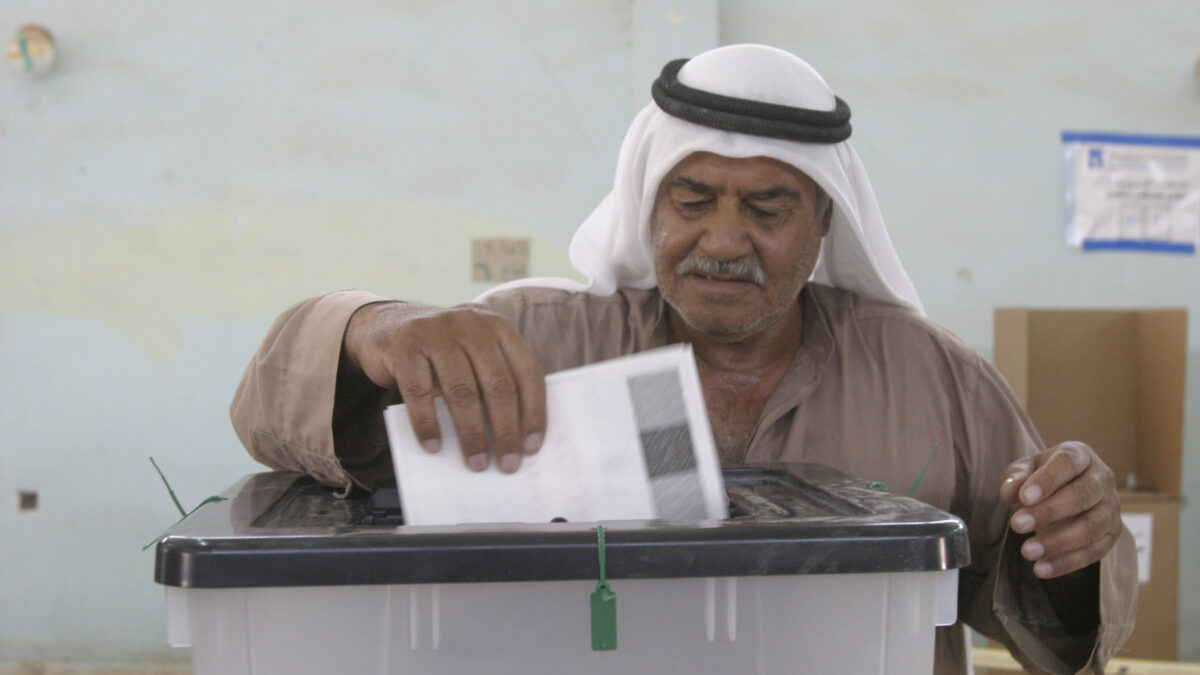
Iraq’s voters approved a constitution in a referendum on 15 October 2005. According to the United Nations Secretary-General’s report dated 7 December 2005, the Independent Electoral Commission of Iraq certified the outcome on 25 October: 79 per cent supported the draft and 21 per cent opposed it, with turnout at 64.6 per cent.
Adoption depended on both national approval and a governorate-level rejection rule. A majority had to vote in favour nationally, while rejection by at least two-thirds of voters in three or more governorates would block adoption. Al Anbar and Salahaddin crossed that rejection threshold; Ninewa voted against the draft, but not by the required margin.
The constitutional framework
An unofficial English translation credited to the Associated Press describes Iraq in Article 1 as a federal parliamentary republic. Articles 5 and 6 place political authority with the people, to be exercised through voting and constitutional bodies, and provide for democratic transfers of power.
The translation separates legislative, executive and judicial authority. It names two federal legislative institutions: the Council of Representatives and the Federation Council. The Council of Representatives has responsibilities including passing federal legislation, scrutinising the executive and choosing the republic’s president.
Electing parliament
Article 49, in that translation, provides for voters to elect the Council of Representatives directly and in secret. It sets a population-based representation formula of one member for every 100,000 Iraqis and requires electoral legislation to aim for women to occupy at least a quarter of the seats. Article 56 specifies a four-year parliamentary term.
The rules described for the December 2005 election were more specific. The UN report says legislation adopted on 12 September allocated 230 seats through proportional representation within governorates, plus 45 compensatory or national seats. Those figures describe the founding election arrangements, not a verified present-day parliamentary total.
What follows an election
Under Article 54 of the unofficial translation, the president must call parliament to meet within 15 days after election results are ratified. The oldest member initially presides. At its opening sitting, parliament chooses a speaker and two deputies through secret voting, each requiring support from an absolute majority of all members.
These are parliamentary opening procedures, not the full government-formation process. The translated excerpt ends during Article 61, before the detailed provisions governing election of the president and nomination and approval of a prime minister and cabinet.
Language and the Kurdistan region
Article 4 of the unofficial translation names Arabic and Kurdish as official languages and requires both to be used by federal and official institutions in the Kurdistan region. Separately, the UN’s 2005 report records constitutional amendments concerning language use in those institutions, alongside changes addressing Iraq’s federal structure and unity.
Sources
- United Nations — primary source: S/2005/766 · accessed 2026-11-08
- presidency.gov.krd — media: The Iraqi constitution was approved by a national referendum held on 15 October 2005. · accessed 2026-11-08
Spotted an error? Tell us — see our corrections policy.