How Jordan’s monarchy, refugee populations and regional ties shape the country
Jordan’s institutions, refugee responsibilities and water constraints are closely connected to its relationships with neighbours and international donors.
Monarchy and parliament
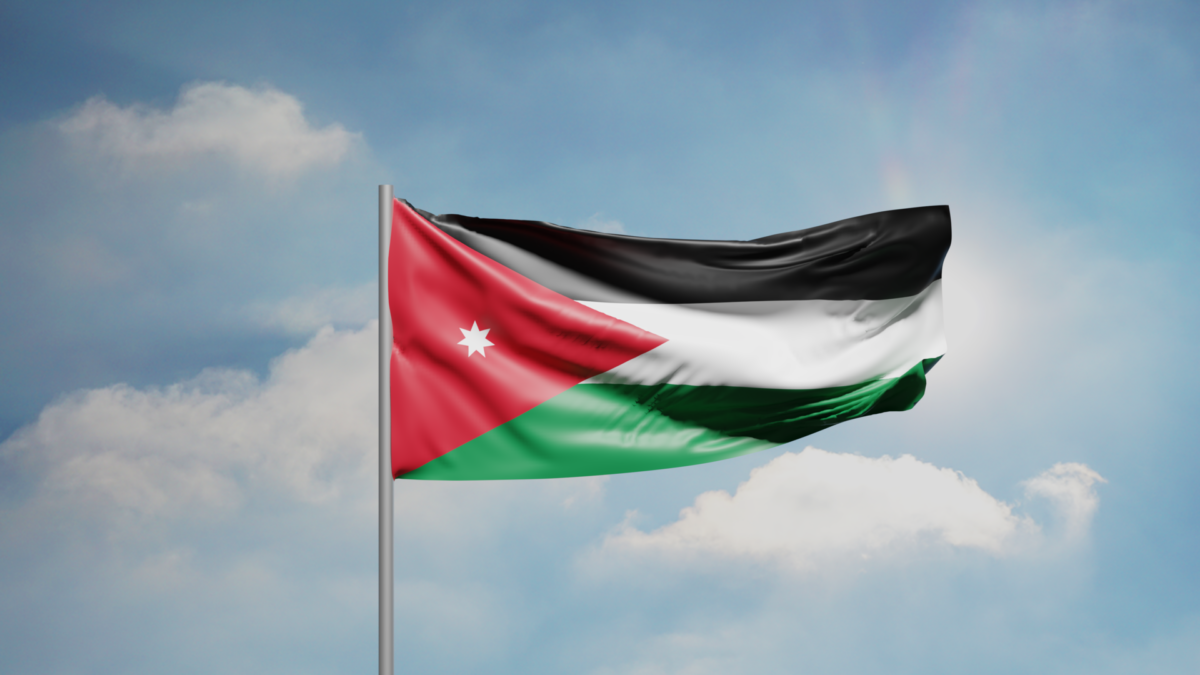
Jordan has a hereditary monarchy and a parliamentary system, according to the Royal Hashemite Court’s account of the Constitution. The King serves as head of state, with executive authority exercised through ministers. Legislative authority belongs jointly to the King and Parliament, which comprises the Senate and the House of Representatives.
The court describes the Constitution as the country’s highest law. Its account sets out separate executive, legislative and judicial branches and says Article 27 establishes judicial independence.
Different refugee populations and registration systems
Jordan’s refugee figures require separate treatment. UNRWA records Palestine refugees, while UNHCR reports a different registered population, predominantly from Syria. Their figures refer to different categories and dates, rather than components of a single current national total.
In a paper dated December 2025, UNRWA reported about 2.3 million Palestine refugees registered in Jordan. Approximately 577,000 Palestine refugees lived in 13 camps, including 10 officially recognised camps and three unofficial ones. The paper did not specify a separate reference date for those Jordan figures.
The European Commission reported more than 366,000 UNHCR-registered refugees, including over 343,000 Syrians and almost 23,000 people from other countries. Its page uses both July and August 2026 for these figures. It said 79.1% lived within communities, with the remainder in Zaatari and Azraq camps.
The Commission separately cited a Jordanian government estimate exceeding 1.3 million Syrians, including people not registered with UNHCR. That population estimate is broader than the registered-refugee count.
Returns and household pressures
In March 2026, UNHCR said it was not encouraging mass returns to Syria but would assist refugees making informed, voluntary decisions to go back, including with transport and financial help. Feedback indicated most did not plan to return within a year. The agency said 67% of refugees were below the poverty line and nine in 10 borrowed to cover basic needs.
Water supply affects camps and host communities
UNRWA’s December 2025 paper described national water rationing affecting refugees and other residents alike. Most cities received municipal water weekly. Nearly all shelters in Palestine refugee camps had public-network connections, but deliveries in Jerash and Souf came only every 21–25 days, requiring private tanker supplies.
Water constraints also feature in international financing. On 25 June 2025, the International Monetary Fund approved a 30-month arrangement worth about $700 million to address longer-term vulnerabilities involving water, electricity and preparedness for public-health emergencies.
The 1994 treaty and regional relationships
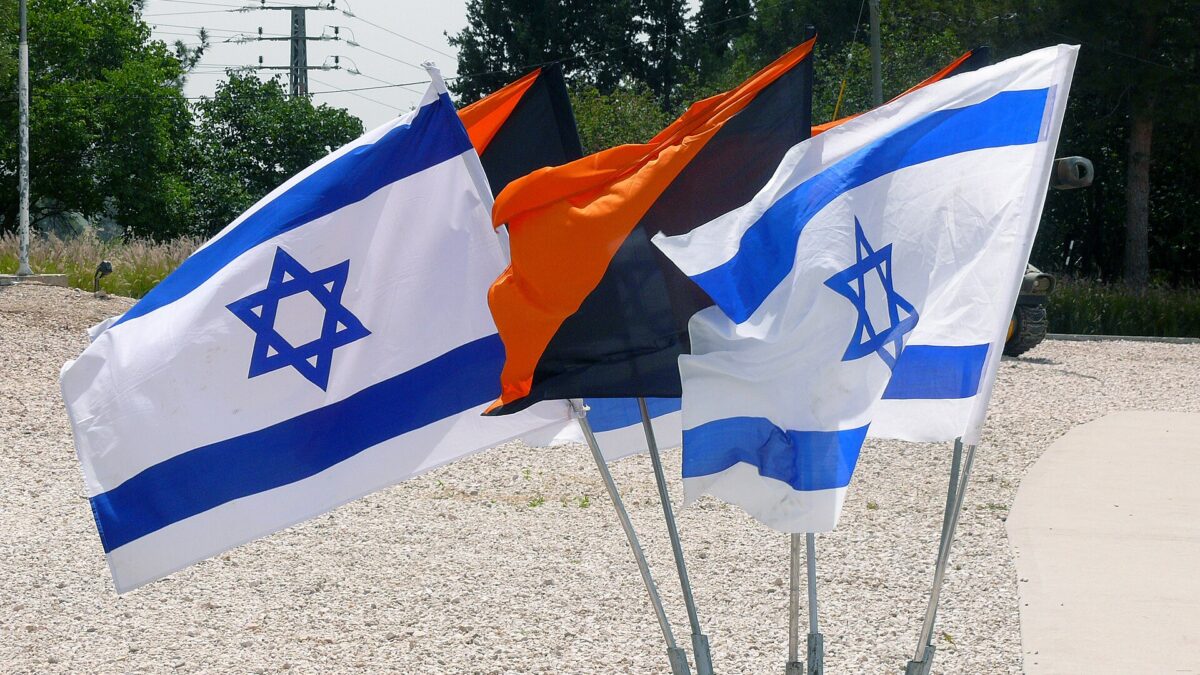
Jordan and Israel signed their peace treaty on 26 October 1994. The agreement provides for diplomatic relations, peaceful dispute settlement and mutual respect for sovereignty. It also sets water allocations involving the Jordan and Yarmouk rivers and groundwater in the Araba/Arava area, acknowledging insufficient supplies on both sides.
Under Article 9, Israel recognises Jordan’s special role concerning Muslim holy shrines in Jerusalem and commits to prioritising Jordan’s historic role in permanent-status negotiations. Article 8 commits both countries to pursue solutions for refugees and displaced people through appropriate forums, recognising that bilateral action alone cannot fully resolve those problems.
Sources
- IMF — primary source: IMF Country Report No. 25/155 · accessed 2026-11-09
- United Nations — primary source: Country - Jordan · Water and Sanitation services in UNRWA camps Challenges, Issues and Way Forward · Israel-Jordan peace treaty - Question of Palestine · accessed 2026-11-09
- European Union — primary source: Jordan - European Civil Protection and Humanitarian Aid Operations · accessed 2026-11-09
- rhc.jo — media: Jordan's Governing System - The Royal Hashemite Court · accessed 2026-11-09
Spotted an error? Tell us — see our corrections policy.