Iraq begins closing unofficial border crossings, Anadolu reports
Reports identified two closures on the Syrian and Iranian borders following an order linked to an oil-smuggling investigation.
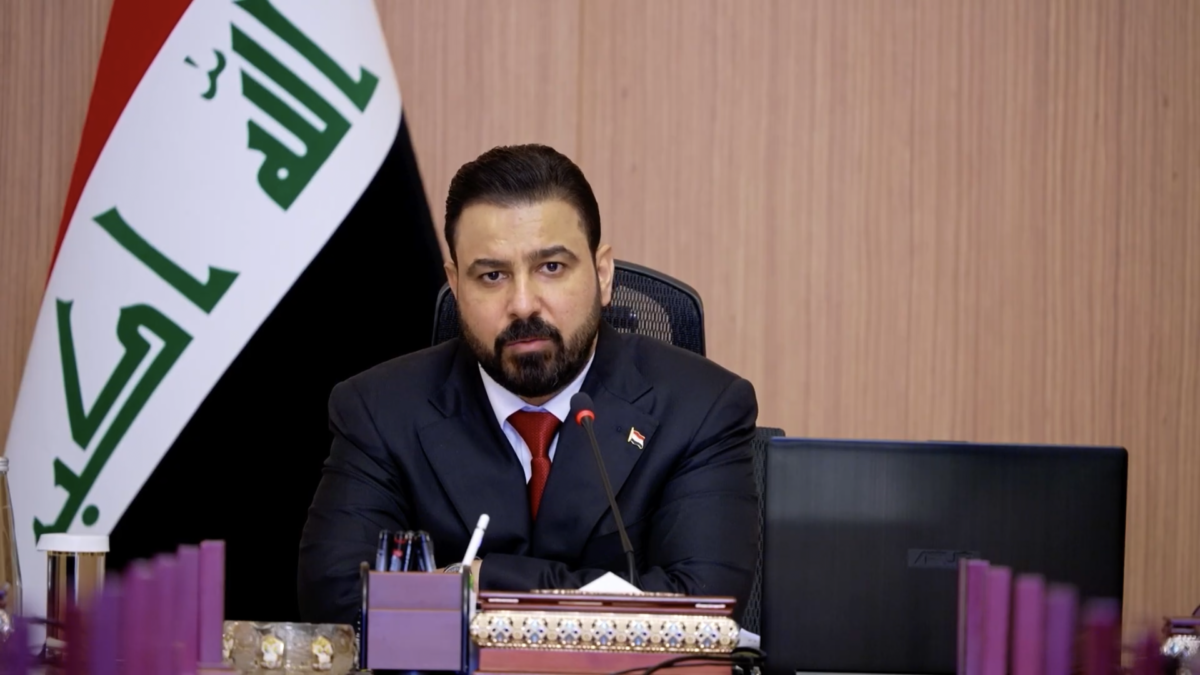
Iraq's Border Forces Command said Thursday it had started carrying out Prime Minister Ali al-Zaidi's order to shut unofficial crossings along the country's borders, according to Anadolu reporting carried by Middle East Monitor. The commander did not give a total for the crossings affected.
Anadolu and Middle East Eye reported that two crossings, one linking Iraq to Syria and another to Iran, had been closed. Both accounts described them as previously administered by Kurdish regional authorities. Middle East Eye cited remarks by the border forces commander to the Iraqi News Agency.
The reports differed on the Iranian crossing's name: Anadolu called it Sartak Pashta, while Middle East Eye used Bashta. It was not clear whether the names referred to the same location. The Syrian crossing was identified as Al-Walid, also spelled al-Waleed.
The nationwide directive followed an oil-smuggling investigation. According to the Anadolu account carried by Middle East Monitor, al-Zaidi ordered the closures Tuesday after examining an investigative committee's findings concerning the state-run North Oil Company, which is affiliated with Iraq's Oil Ministry.
That account said his decisions also removed or dismissed eight security and administrative officials, including the Kirkuk Operations commander, Kirkuk's police commander and the Border Ports Authority chief. He also ordered that violations be referred to the judiciary.
Separately, Middle East Eye reported that Iraq's highest court ruled Wednesday that Baghdad could deploy federal forces along every international border, including those in the Kurdistan region. The two closed crossings had been administered by the Kurdistan Regional Government, it said.
Lt. Gen. Mohammed Abdul Wahab Sukkar al-Saidi distinguished his command's responsibility for border areas from the Border Ports Authority's role at official crossings, according to the Anadolu account. He said his forces covered 600 kilometers of the Syrian border and operated in six sectors.
Al-Saidi also claimed better control along Iraq's frontiers with Syria, Jordan, Saudi Arabia, Kuwait and Iran. He credited surveillance equipment, greater unit readiness and cooperation with neighboring countries for reductions in infiltration, smuggling and irregular entry by foreign workers, but gave no figures measuring those declines.
Sources
- Anadolu Agency — news agency: Iraq begins closing unofficial border crossings with neighboring countries · Iraq closes 2 unofficial border crossings with Syria, Iran · accessed 2026-11-27
- Middle East Monitor — media: Iraq begins closing unofficial border crossings with neighboring countries · accessed 2026-11-27
- Middle East Eye — media: Iraq closes two border crossings in Kurdistan region with Syria and Iran · accessed 2026-11-27
Spotted an error? Tell us — see our corrections policy.