Al-Qathafi: Security Council reform problems can be overcome by genuine UN democratic reform
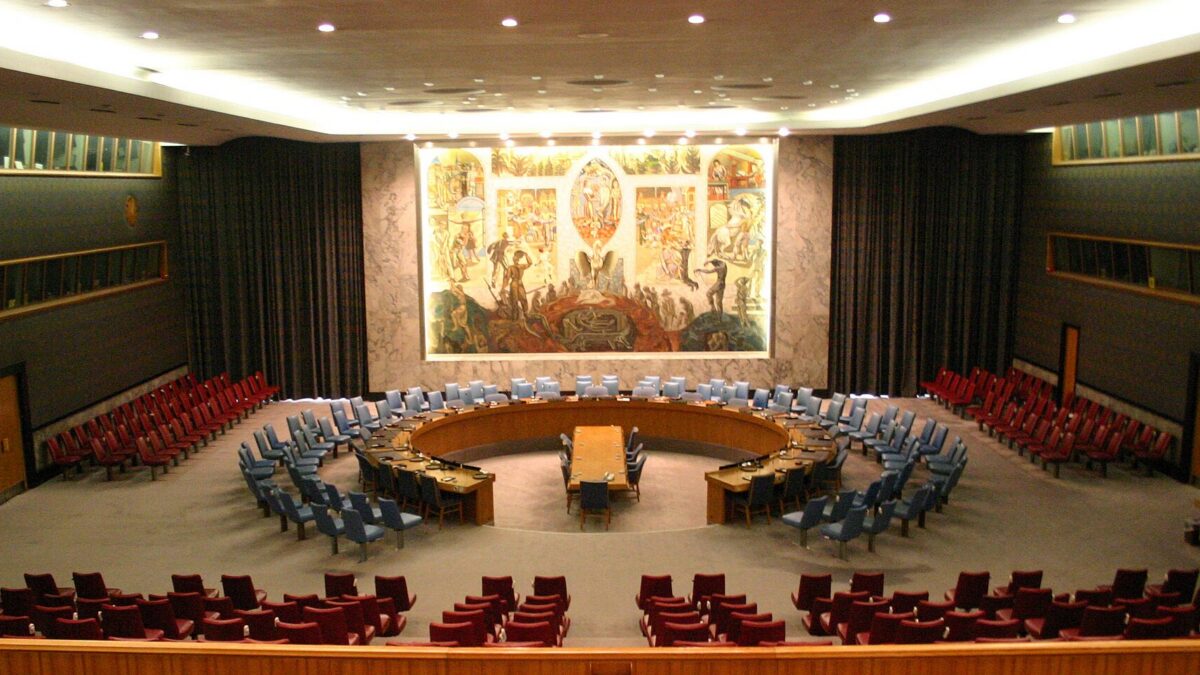
With the international calls for genuine reform of the United Nations, some of the UN Security Council members countinue to dodge the main issues of reform, and to abfuscate and delay the reform process that would transform this body into a genuine democratic institution that is accountable to all its members.
Addressing the conclusion of a three-day General Assembly meeting on Secretary-General Kofi Annan's sweeping reform package, the body's president has pledged all possible efforts to forge agreement among countries so that the proposals can be adopted when world leaders gather at the United Nations in September.
Assembly President Jean Ping of Gabon made his remarks on Friday evening at the close of a debate which saw the participation of representatives from over 80 countries voicing their views about "In Larger Freedom," Annan's seminal report.
The report, which focuses on development, security and human rights, constitutes a deal for realigning the UN so that it can better meet emerging challenges. If adopted, the proposals -- ranging from a nine-member increase in the Security Council's membership to the establishment of a new Human Rights Council -- would alter the world body more radically than any single reform exercise in its history.
President Ping said that the Secretary-General's report was widely welcomed during the debate, and there was widespread agreement on the need to adapt the UN to the realities of today's world. Delegates, he added, had stressed that through the preparatory process, it would be necessary to stay focused on pracical considerations and allow member sates to formulate an agreement on all that was possible in the spirit of reform.
The president acknowledged that a number of participants had felt the report was not adequately balanced, and voiced their opinions on which areas had not been sufficiently covered, while many said they would work to harmoize their views with those of others on the major questions at stake.
"For my part, I will not spare any effort to reach accord on the greatest possible number of proposals that have been presented," he said.
Thematic discussions on the report facilitated by 10 ambassadors will begin on 19 April.
Meantime, Leader of the revolution in Libya, Muammar al-Qathafi, said that the problems that will be created in the process of expanding the UN Security Council can only be overcome by a "genuine reform in the UN, (that) can only be achieved through democracy in this international body, which requires shifting Security Council powers to the General Assembly, in which all world countries enjoy permanent and equal membership" JANA reported yesterday.
Al-Qathafi pointed to the current demonstrations by the Chinese public against granting Japan a permanent seat on the Security Council.
Also, that are fears that the US will continue to oppose the reforms by trying to slow down progress in this regard. U.S. Ambassador Shirin Tahir-Kheli, senior adviser to Secretary of State Condoleezza Rice on U.N. reform, said that "the United States remains committed to the United Nations and feels it is critically important for member states to help the U.N. meet the challenges and promise of the 21st Century." In a speech, Ambassador Tahir-Kheli said that the United States feels that the focal point of the forthcomming UN summit should not be U.N. reform. Instead, "we continue to believe that its principal focus should be on the implementation of the goals of the Millennium Declaration." the US said the world "should recognize that there are areas where agreement will not be reached quickly or easily and that we should not be bound by artificial deadlines."