India wants UN Security Council reform with or without veto for all members equally
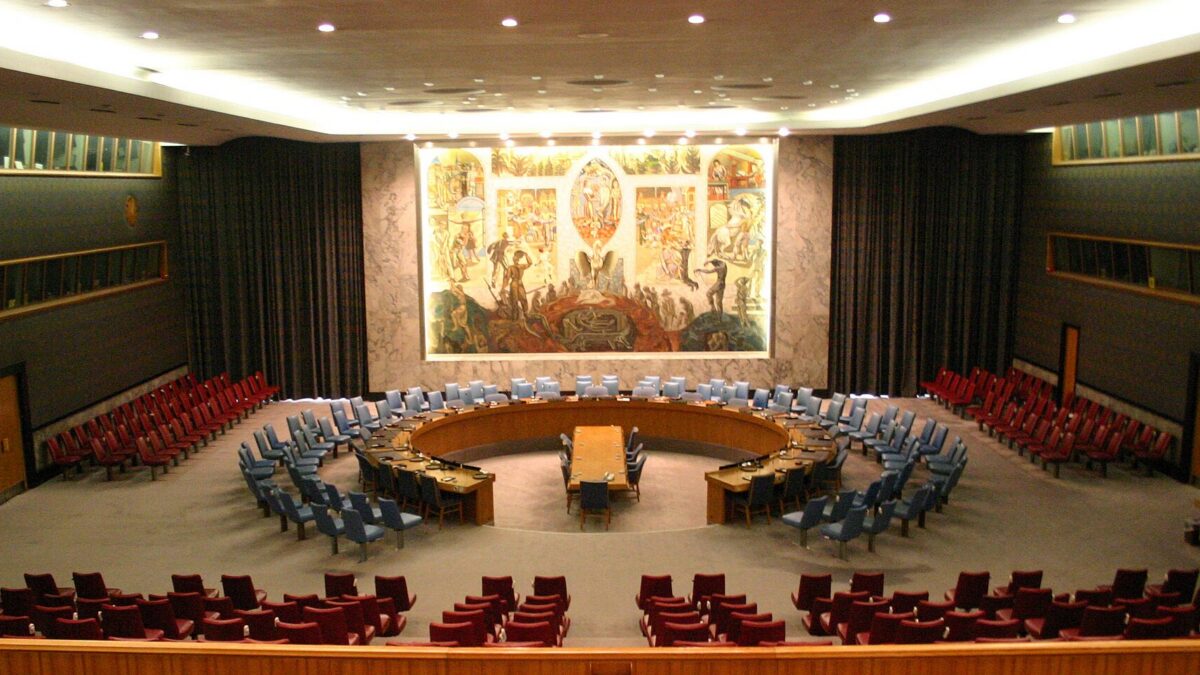
In the feverish talks about expanding and reforming the UN Security Council, India wants its inclusion to the Council to be on equal basis with other permanent members in order for the institution to be effective. Although the removal of the veto power from all members would be the democratic way to reform the council and remove the ability of any one country to holding the will of the United Nations hostage, India said it has no preference as long as all members in the new council are treated the same.
Press Trust Of India reported yesterday that “ India has firmly ruled out accepting membership of the expanded UN Security Council without veto power, saying sans veto new members would not be able to fulfil the mandate of the General Assembly efficiently.”
The report said :Responding to suggestions at a meeting attended by diplomats from more than 150 countries in New York yesterday, India's ambassador to UN Nirupam Sen said both in terms of decision-making and in legal constitutional terms, "we cannot accept any discrimination between permanent members." The meeting was organised by India, Japan, Germany and Brazil, a grouping named G-4 formed to mount pressure on UNSC.
The report added “G-4 diplomats pointed out that the number of member states represented at the meeting far exceeded the two-thirds majority of 128 needed in the 191-member General Assembly for the passage of any measure to expand the Council. The meeting called by the "Coffee Club" headed by Pakistani Ambassador Munir Akarm, which is opposing expansion in the permanent category, hardly attracted 40 member states, they said. Quoting from Akram's speech, Sen said even he (Akram) had implicitly supported the veto when he observed that new permanent members without veto cannot withstand the weight of old permanent members without veto.