Round table briefing on ICRC activities in Palestine, Iraq, the occupied Syrian Golan
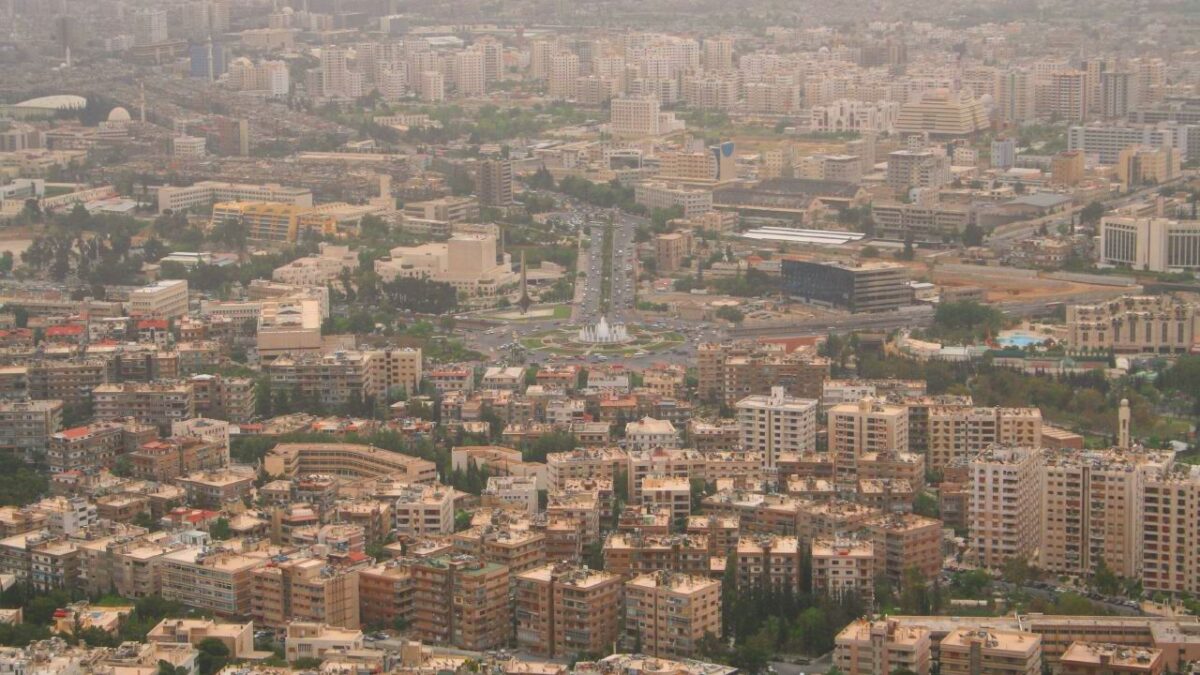
A round table discussion on numerous activities conducted by the International Committee of the Red Cross on the two hotbed areas of Iraq and Palestine and the occupied Syrian Golan Heights was outlined by ICRC Head of communications and Dissemination Department Muin Ibrahim Kassis on April 14 at the Damascus al-Cham Palace hotel. The event was attended by local media representatives and several foreign reporters accredited in Syria.
Kassis highlighted ICRC activities in the world and in particular in Iraq since 1980 and the Palestinian occupied territories after 1967 and earlier as from 1948 in al-Hosn camp to the north of Jordan.
Kassis told the journalists that political, and legal consultations were held inside the " ICRC" premises to use the terms " the wall of the West Bank" instead of the security wall, according to the Israeli expression or the " Apartheid wall" according to the Arab side. He explained that this shift stems from the ICRC care to maintain principles on " neutrality; impartiality and independence." He added that following Israel's rejection to recognize the two emblems of the " Cross" and the " Crescent" and its cling to " David Star," ICRC experts are seeking new symbol, that will not be the " Diamond" because wars are launched in Africa in search on Diamond, according to Kassis.
On Iraq, Kassis said that there is an overwhelming feeling that the ICRC is a humanitarian organization, otherwise " we will not be able to have access to holy sites to reach humanitarian aids there." However, out of almost 500,000 prisoners and detainees the ICRC had visited all over the world in 2003 there were 13,000 of them in Iraq, including the Iraqi President Saddam Hussein.
On the other hand, scores of thousands of Syrian students at the secondary and preparatory schools, as from next year will be in a date to learn principles of the International Humanitarian law and how to react at the times of wars and armed conflicts.
This, was attained according to an agreement finalized by the ICRC and the Syrian ministry of education to teach principles of the International Humanitarian law to students in Syria aging between 14 and 18 in some 8500 schools all over the country, in addition to sponsoring an oriented International campaign for Syrian children on " child and war."