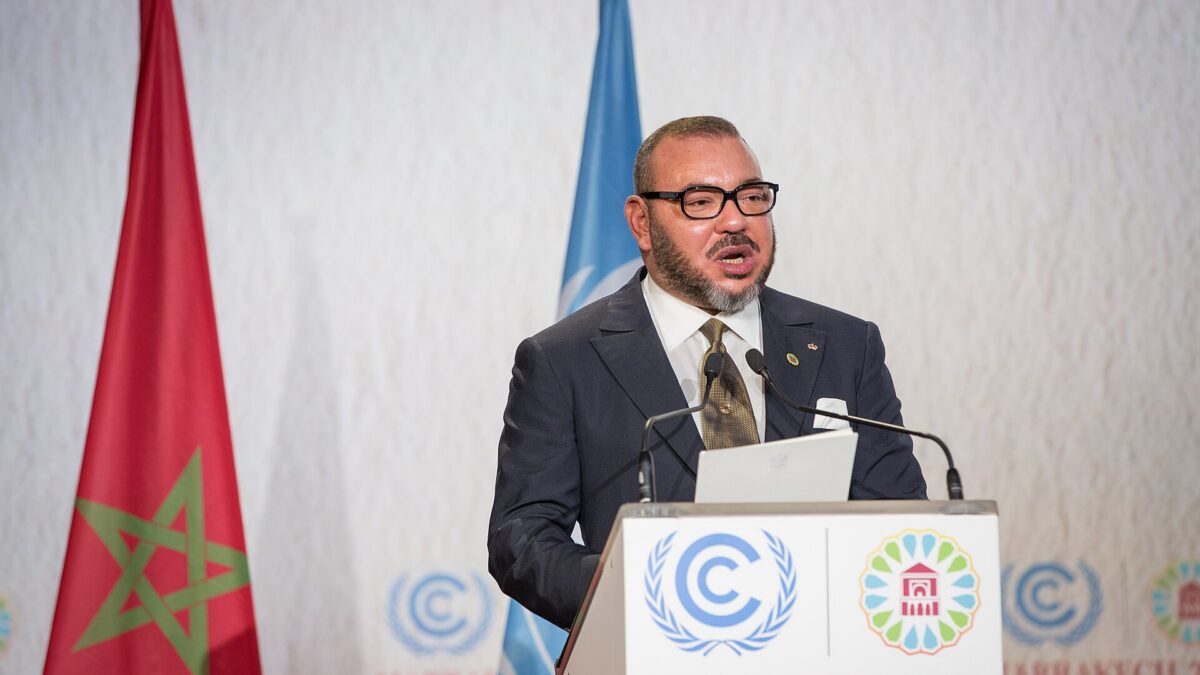
'Morocco at the Crossroads', theme of a Conference in Washington
"Morocco at the crossroads: political, economic and human rights issues" is the theme of a conference held recently at the John Hopkins University of Washington.
Speaking at the conference, Jean-Luis Sarbib, vice-president of the Middle-East and North Africa Department at the World Bank, said Morocco is currently going through a double transition, economic and political.
For Sarbib, Morocco is facing two major challenges: poverty and joblessness that should be settled through a quality growth, the association of a dynamic private sector and fair distribution of wealth.
Morocco's growth rate dropped in the 1990's, a fact that triggered a slow growth in income and a rise in the number of the poor. A progress was however scored in social matters, especially regarding access to medication and girls' schooling in rural areas, he said, describing the social policy of King Mohammed VI as genuine.
Touching on investment flow, the WB official said the telecom sector privatization was one of the positive elements of the economic reforms in Morocco. Sarbib noted the weakness of the investments flow and said the lack of reform in public administration, whose salaries represent 12.5 percent of the Gross Domestic Product (GDP), is an immense burden for the economy.
For William Zartman, Professor at the John Hopkins University, King Mohammed VI inherited a system that was managed by a very skillful king during extremely difficult moments allowing for modernization, the introduction of changes and the establishment of a new and freer electoral system.
The new leaders in Morocco have good intentions but they are constrained to act in the same Morocco with the same means, Zartman said, adding the coming elections (due next year) may be a crossroad for Morocco.