How OPEC and OPEC+ set oil production targets
The producer groups coordinate output through ministerial agreements, voluntary adjustments and monitoring, but targets are not the same as production capacity.
What OPEC and OPEC+ do
OPEC brings oil-producing governments together to coordinate petroleum policy and agree production targets. The wider OPEC+ arrangement includes additional producers, among them Russia. According to the U.S. Energy Information Administration (EIA), these groups assess global supply and demand when setting output targets intended to influence oil prices.
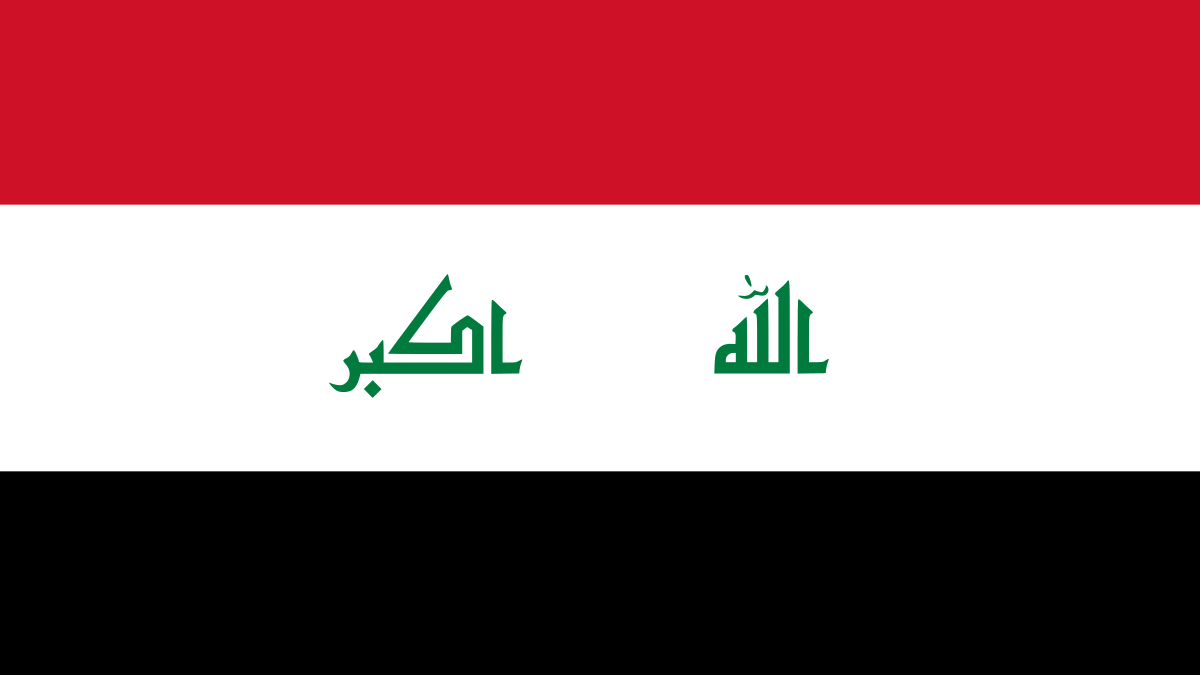
OPEC was established in Baghdad in September 1960 by Saudi Arabia, Venezuela, Iraq, Kuwait and Iran. OPEC+ took shape in 2016, when OPEC reached an agreement with 10 other producing countries. The EIA links that wider cooperation largely to falling prices following growth in United States shale oil production.
How output decisions are made
The broader cooperation framework is known as the Declaration of Cooperation. An OPEC-published ministerial text describes meetings of participating ministers every six months, alongside a separate monitoring committee that meets every two months. The committee can convene extra sessions or ask for a ministerial meeting when necessary.
Agreements can also include voluntary cuts by a smaller set of countries, rather than identical adjustments across every participant. The EIA says successive voluntary reductions began in April 2023. Its newer account identifies Iran, Venezuela and Libya as exempt from recent production agreements.
Who checks compliance
The Joint Ministerial Monitoring Committee, or JMMC, reviews market conditions, output and adherence to agreements, according to the ministerial text. The Joint Technical Committee and OPEC Secretariat support that work. Compliance monitoring uses an average drawn from seven approved secondary sources measuring crude production.
Countries can also commit to compensating for earlier overproduction through subsequent adjustments. An OPEC account of an April 2026 subgroup meeting said participants intended to offset excess output dating back to January 2024. Those voluntary-adjustment participants scheduled monthly reviews, a separate timetable from the wider ministerial and monitoring meetings.
Saudi Arabia and Russia
The EIA describes Saudi Arabia as OPEC’s biggest producer and its most influential member. In its discussion of 2022 output, the agency said coordination between Russia and OPEC largely drove the wider group’s actions. Russia’s production and market influence substantially exceeded those of other non-OPEC participants.
Targets are not production capacity
An agreed output level is distinct from how much a country can produce. The EIA estimates that Saudi Arabia produced 9.3 million barrels a day in 2025 against effective capacity of 11.6 million. The UAE produced 3.4 million barrels a day, with capacity estimated at 4.2 million.
Membership and recent decisions
As of November 2026, the EIA reports that the UAE left OPEC effective May 1, following an April 28 announcement. Using 2025 production, the agency estimates OPEC’s share of world crude output at 35% including the UAE, or 31% without it. Those figures compare the same year, rather than measuring output after the departure.
An OPEC-published account says seven voluntary-adjustment participants met on November 1, 2026 and agreed to keep their September required production levels unchanged for December. The decision concerned that subgroup, not a new production allocation for every OPEC+ participant.
Sources
- US Government — primary source: Glossary - U.S. Energy Information Administration (EIA) · UAE’s exit from OPEC+ reduced the group’s share of crude oil production and capacity - U.S. Energy Information Administration (EIA) · What is OPEC+ and how is it different from OPEC? - U.S. Energy Information Administration (EIA) · accessed 2026-11-05
- opec.org — media: Organization of the Petroleum Exporting Countries · accessed 2026-11-05
Spotted an error? Tell us — see our corrections policy.