Egypt Independent reports Trump says US payments to Israel will stop by year-end
The reported remarks leave the timing and scope of any aid change unclear, while an earlier poll shows partisan divisions over US support for Israel.
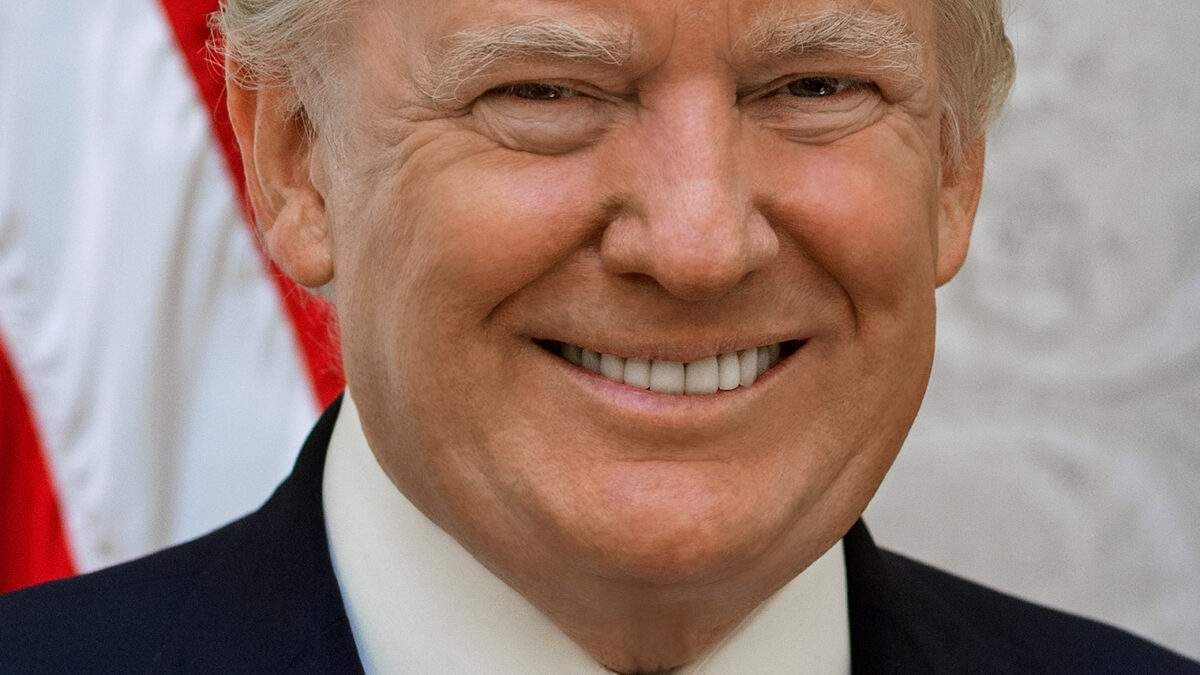
President Donald Trump said US payments to Israel would end before the year was out, Egypt Independent reported, citing an Election Day interview with Fox News on Tuesday. The outlet linked his remarks to American military assistance for Israel.
According to Egypt Independent, Trump said an agreement had been reached several months earlier and that Israel had accepted it. “But by end of this year, we won’t be paying Israel,” the outlet quoted him as saying. He also indicated that Washington would help Israel if assistance was needed.
The timing and scope of any change were unclear. Brett McGurk, a former senior White House and State Department official who is now a CNN global affairs analyst, said he could not tell whether Trump meant ending aid immediately or allowing the existing arrangement to expire in 2028, Egypt Independent reported.
The outlet interpreted Trump's comments as referring to a military-aid commitment worth slightly less than $4 billion a year. It said the arrangement dated to Barack Obama's presidency in 2016 and was scheduled to continue until the end of 2028.
Most of the money goes towards arms and equipment bought from American manufacturers for Israel's military, according to Egypt Independent. The outlet also reported that Israeli Prime Minister Benjamin Netanyahu told The Economist in January that he wanted to phase out US military assistance over a decade.
An earlier Quinnipiac University survey found widespread reservations about Washington's support for Israel. Among registered voters, 48 percent considered that support excessive, while 38 percent judged it appropriate and 7 percent wanted more. Quinnipiac said the first figure was its highest since the question was introduced in January 2017.
The responses differed sharply by party affiliation: 66 percent of Democrats and 55 percent of independents considered US support excessive, compared with 20 percent of Republicans. Those figures describe attitudes before the reported announcement, rather than a response to it.
Quinnipiac surveyed 1,165 registered voters across the country on June 18–22. It reported a sampling error of 3.4 percentage points in either direction, accounting for the survey design.
In a separate question allowing respondents to choose several issues, 41 percent identified the Israeli-Palestinian conflict as important to their decision when voting for the US House of Representatives.
Sources
- Egypt Independent — media: Trump’s Election Day bombshell on Israel points to historic shift in US politics · accessed 2026-11-04
- poll.qu.edu — media: Tim Malloy, · accessed 2026-11-04
Spotted an error? Tell us — see our corrections policy.