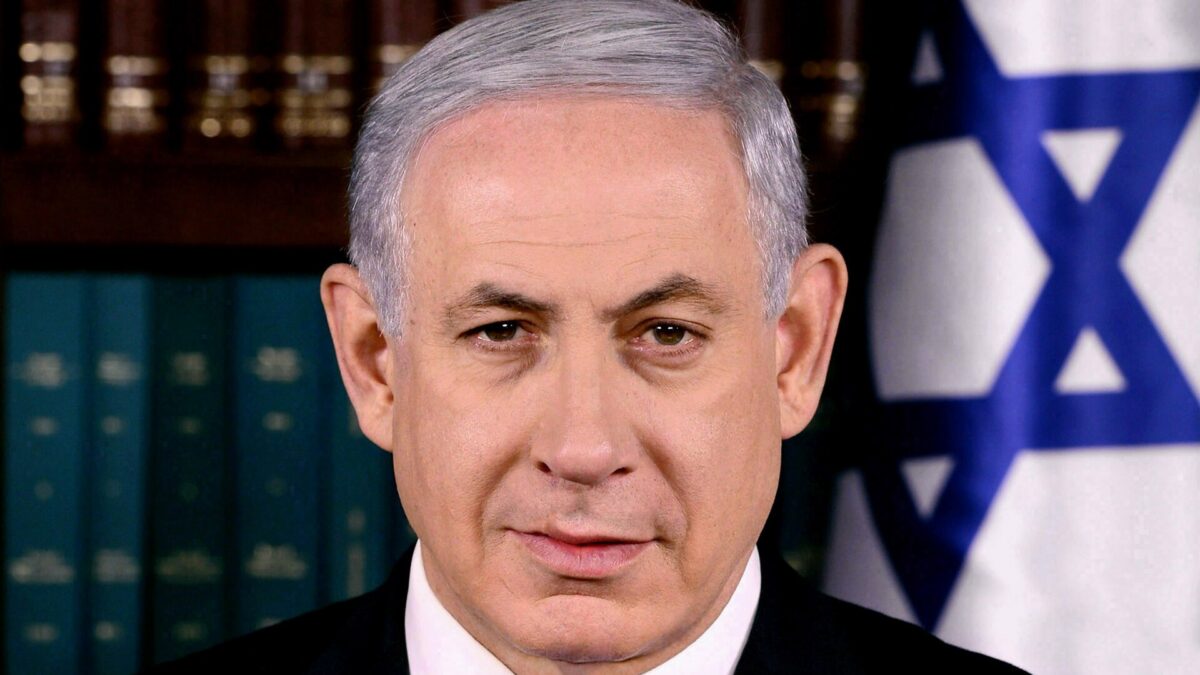
Netanyahu forms six-member committee, selects economic targets in Lebanon
What has happened since
Lebanon reported infrastructure strikes in 1999
In a June 1999 diplomatic communication to the United Nations, Lebanon said Israeli aircraft had struck an electricity station at Arb Salim and bridges linking southern Lebanon with Beirut and other areas in the south.[1]
Israel withdrew in 2000
Israel withdrew from southern Lebanon in May 2000. On June 16, the United Nations confirmed that the withdrawal met the requirements of Security Council resolution 425, adopted in 1978.[2][3]
Cross-border violence continued
The withdrawal did not end cross-border tensions. According to the United Nations Interim Force in Lebanon, or UNIFIL, violence along the Blue Line in the first half of April 2002 reached its highest level since the May 2000 withdrawal.[2]
World Bank assessed later conflict damage
On March 7, 2025, the World Bank put Lebanon's recovery and reconstruction needs at $11 billion. Its assessment covered ten sectors across the country for the period October 8, 2023–December 20, 2024, excluding damage from later fighting.[4]
Housing suffered the greatest damage
The bank estimated the conflict's economic cost at $14 billion: $6.8 billion in physical damage and $7.2 billion in economic losses. Housing sustained more damage than any other sector, estimated at $4.6 billion.[4]
Reconstruction financing approved
On June 24, 2025, the World Bank board approved $250 million to repair essential public infrastructure, restore basic services and manage rubble in conflict-affected parts of Lebanon.[5]
A broader financing framework
In a February 17, 2026 factsheet, the World Bank described the $250 million loan as initial financing for the Lebanon Emergency Assistance Project, whose total estimated cost was $1 billion. The framework could receive further funding. Lebanon's Council for Development and Reconstruction was responsible for implementation, with strategic direction from the Prime Minister's Office and coordination with ministries.[6]
UN account through June 20, 2026
The UN Secretary-General's report for February 21–June 20, 2026 said Israeli forces had maintained a presence and conducted military operations north of the Blue Line since November 2024. They subsequently expanded their ground presence, declared a forward defence line several kilometres north of the Blue Line and moved north of the Litani River, the report said.[7]
Why it still matters
UNIFIL has operated in southern Lebanon since 1978. Its history records both Israel's withdrawal in 2000 and the cross-border tensions that continued afterward.[2]
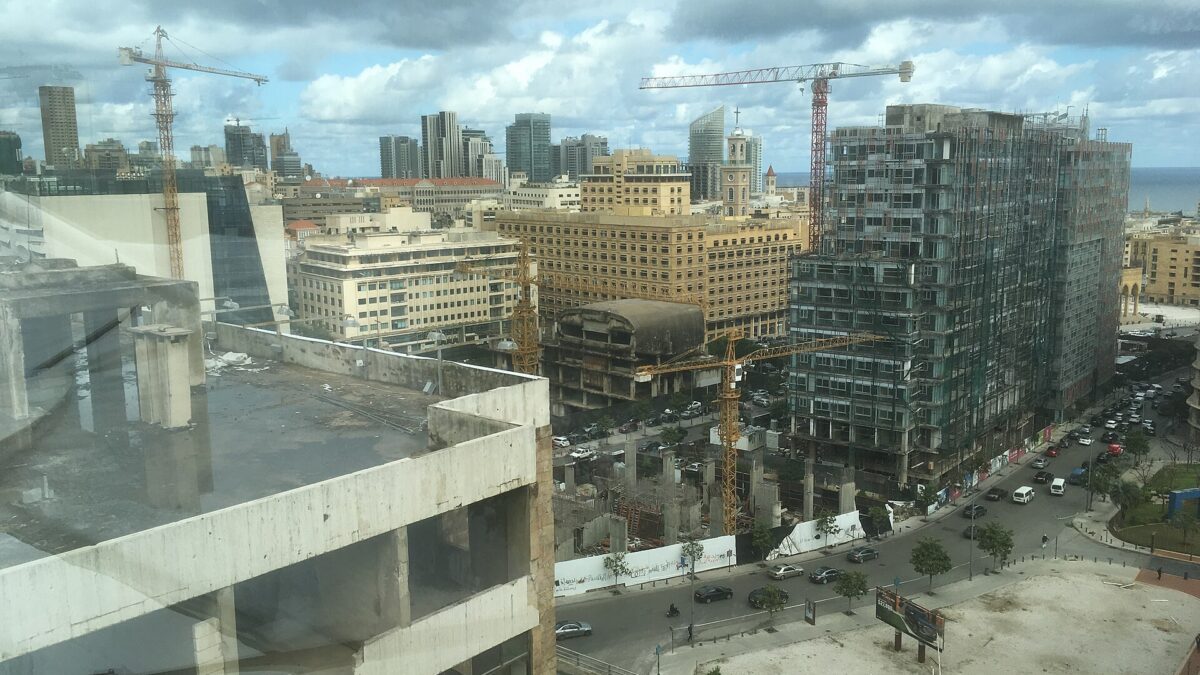
Lebanon's reconstruction needs extend beyond damaged buildings. The World Bank's assessment distinguished physical destruction from economic losses, while its financing programme addressed infrastructure, basic services and rubble management.[4][5]
Timeline
- 2000-06-16 The UN confirmed that Israel's withdrawal from southern Lebanon complied with Security Council resolution 425.[3]
- 2002-04 Violence along the Blue Line during the month's first two weeks exceeded the levels recorded since Israel's May 2000 withdrawal, according to UNIFIL.[2]
- 2025-03-07 The World Bank estimated Lebanon's recovery and reconstruction needs at $11 billion for the conflict period it assessed.[4]
- 2025-06-24 The World Bank board approved $250 million for infrastructure repairs, basic services and rubble management.[5]
- 2026-02-17 The World Bank outlined a $1 billion project framework beginning with its $250 million loan.[6]
- 2026-06-20 The period covered by a UN Secretary-General's report ended with an account of an expanded Israeli ground presence in Lebanon, including advances north of the Litani River.[7]
Sources
- A/53/1011–S/1999/717 — United Nations; diplomatic communication from Lebanon
- Background — United Nations Interim Force in Lebanon
- Yearbook of the United Nations 2000 (excerpts) - Question of Palestine — United Nations
- Lebanon’s Recovery and Reconstruction Needs Estimated at US$11 Billion — World Bank, 2025-03-07
- Lebanon: New US$250 Million Project to Kickstart the Recovery and Reconstruction in Conflict-Affected Areas — World Bank, 2025-06-25
- Lebanon Emergency Assistance Project: Frequently Asked Questions — World Bank, 2026-02-17
- Implementation of Security Council resolution 1701 (2006) during the period from 21 February to 20 June 2026 — United Nations Secretary-General
The original report
ArabicNews.com, August 28, 1998
The Jordanian daily "Arab al-Youm" said today that a six-member committee formed by the Israeli premier chose in a meeting he chaired on Wednesday night main economic targets in Lebanon for a first-phase attack and Syrian strategic military positions for a later attack.
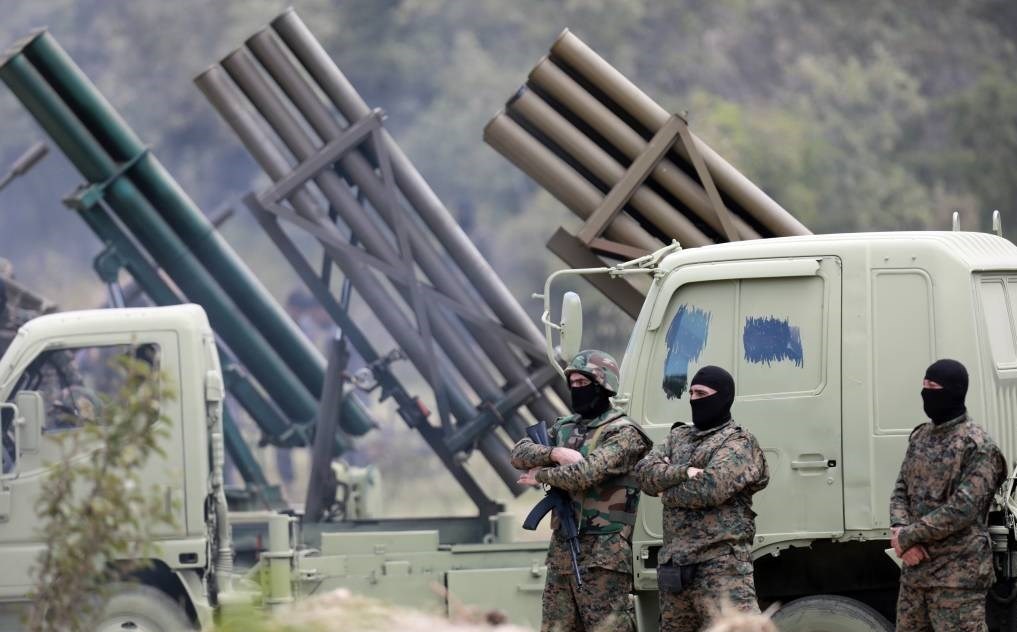
Tha attacks will also target sensitive leadership positions for the Hizbullah Party, the Amal movement, the People's Front for the Liberation of Palestine and main Lebanese army positions at the confrontation lines with Israel in order to launch military strikes against these positions and destroy them in reaction to launching Katyusha missiles against Israeli settlements.
The paper said in a report from Paris and London today that information leaked on Thursday morning to the French and British capitals from Tel Aviv and the occupied Lebanese border stressing that the six-member committee had chosen as targets several prominent Lebanese economic firms.
The committee, comprises Prime Minister Netanyahu, his Defense Minister Yitzhak Mordechai, Infrastructure Minister Ariel Sharon, the chief of Israeli military intelligence, the Mossad chief and the commander of the northern front in the Israeli army.