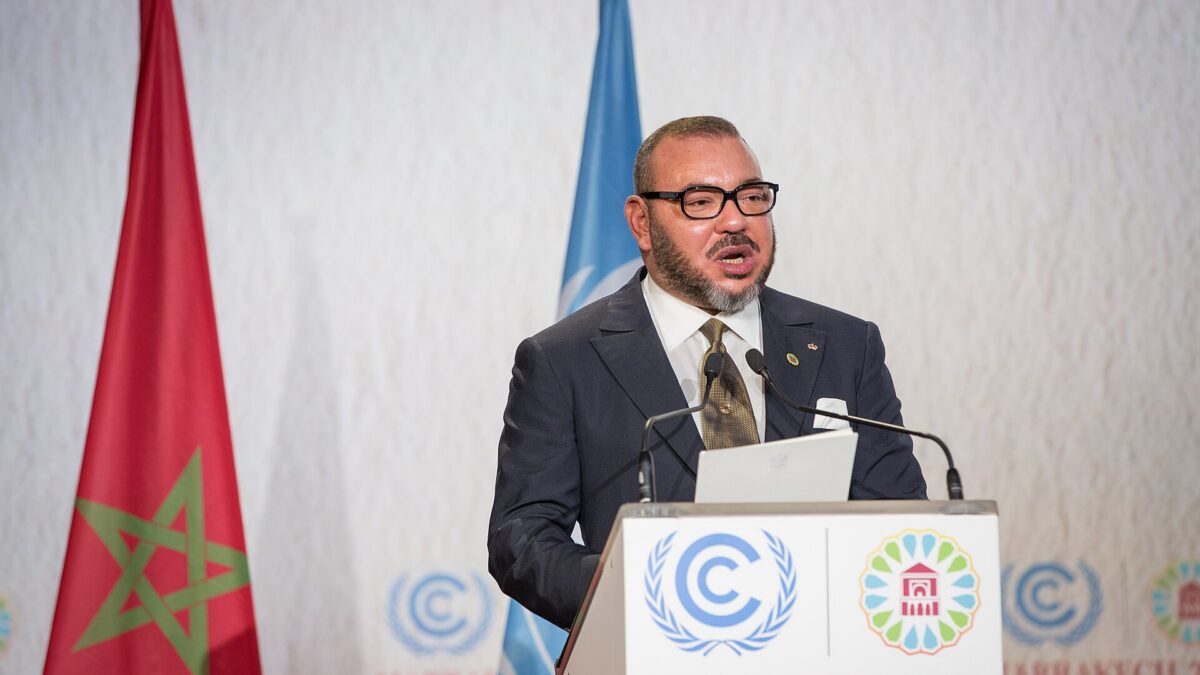
European MPs highlight reform process initiated under the leadership of King Mohammed VI
European representatives highlighted, in Brussels Thursday, the reform process initiated under the leadership of King Mohammed VI and the sovereign's political will to promote human rights in Morocco.
At a hearing in the European Parliament on human rights in the light of EU's new neighbourhood policy, several European MPs voiced satisfaction at the progress made in democracy issue in the North African country.
The representatives said the success of the democratic experience in Morocco will be a catalyst of a new dynamic in the region.
Representative Ioannis Kasoulides, member of the human rights sub-commission, which held the hearing, underscored the reconciliation process in Morocco of victims of past human rights violations, stressing the role of the Justice and Reconciliation Commission (IER) in this process, particularly through the holding of public hearings on the violations committed in the country from 1956 to 1999.
The European MP also recalled the family code which is "one of the most progressive reforms in the Arab world," as well as the bill on discrimination and torture, highlighting the existence of a will in Morocco to advance and to cooperate with the Union.
Chairwoman of the human rights sub-commission, Hélène Flautre, said the Moroccan democratic experience is "unique" in transitional justice and should be given particular attention, for it may benefit other countries.
The sub-commission hearing is part of the debates held to discuss the European policy of neighbourhood following the approval of the action plans last December by the European Council regarding seven partners of the EU, Jordan, Moldavia, Morocco, Tunisia, Ukraine, Israel and the Palestinian.