Morocco's government, political parties join forces to shield kingdom's territorial integrity
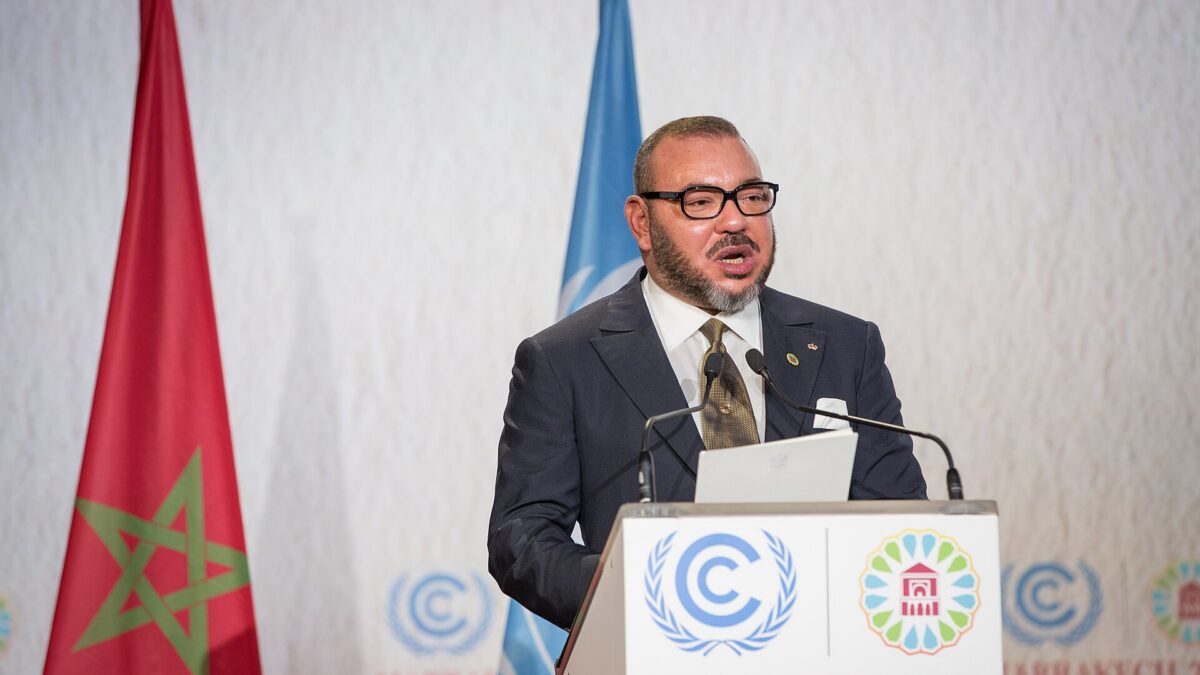
Several Moroccan ministers and heads of the country's major political parties met here Tuesday upon the instruction of King Mohammed VI, to debate the latest evolution of the issue of Moroccan Sahara in light of the recent resolution of the United Nations Security Council
The meeting, chaired by Royal Advisor Abdelaziz Meziane Belfkih, assessed the situation after the adoption on July 31 of Security Council Resolution 1495. It sought to inform national political parties on upcoming steps to deal with the new evolution of the issue.
The strategic approach to the Moroccan Sahara question should rely on three interactive and complementary elements, notably "trust in our national capacities, general mobilization and vigilance," Belfkih stressed.
Interior minister, Mustapha Sahel, highlighted the efforts exerted by different ministerial departments and national agencies in Moroccan Sahrawi provinces for the social and economic development of the region.
The representatives of political parties reiterated constant mobilization behind King Mohammed VI, hailing the Security Council's final decision not to impose a solution on any party and to encourage a negotiated and a beforehand accepted solution.
They reaffirmed rejection the latest proposals made by UN Secretary General Personal Envoy, James Baker, on the grounds that such proposals are at logger heads with the nature of the political solution that the United Nations have been promoting for two years. The new proposals hold the seeds of tension in the (North African) region.
Parties' leaders argued that their stand was made explicit during consultations held last February and on which was based Morocco's official answer to the new plan submitted by Baker last January.
They pointed out to the absence for the first time of any reference to the settlement plan of 1991, which has become null and void.
The officials, who took part in the encounter, agreed that "it is crucial to continuously follow-up the evolution of the situation and the initiatives likely to guarantee the permanent mobilization of the Moroccan people behind a sincere dialogue to reach a fair and final solution to this artificial row that delays the construction of the Arab Maghreb."