US sanctions people and companies linked to Iran’s shadow banking networks
The measures target exchange houses, companies and personnel as a Treasury analysis identifies nearly $15 billion in potentially connected financial activity.
The United States imposed sanctions on November 23 against people and companies linked to Iranian shadow banking networks, including businesses operating in the United Arab Emirates, Turkey and Hong Kong, Reuters reported. The Trump administration's measures seek to restrict Iran's access to international finance.
Reports differed on the number of companies sanctioned. Reuters, citing the US Treasury Department, put the total at two dozen exchange houses and front companies, while Iran International reported 22 entities and eight people. Middle East Eye also reported eight people, identifying them as Iranian citizens.
Alongside the sanctions, Treasury's Financial Crimes Enforcement Network, or FinCEN, released an analysis identifying almost $15 billion in activity with possible connections to Iranian shadow banking between January 2025 and August 2026, according to Reuters. Its findings drew on information submitted by US-regulated financial institutions.
Iran International put the value of potentially connected transactions at $14.7 billion, consistent with Reuters' rounded figure. The sums describe activity flagged as potentially connected to the networks, rather than transactions all established to be illicit.
Treasury describes the system as a way for Iranian clients to move funds internationally despite sanctions. According to Reuters, the department said the Central Bank of Iran supervises arrangements involving domestic exchange houses and bank affiliates known as rahbar companies.
Those affiliates manage networks used to evade sanctions for clients in Iran, Treasury said. The department said the arrangements channel billions of dollars through international finance and help maintain the country's trade with foreign partners.
The analysis found continuing connections particularly in the UAE, Hong Kong and Singapore, involving companies working in oil, shipping and investment, Reuters reported. Those findings extend beyond the locations of the sanctions targets described in the announcement.
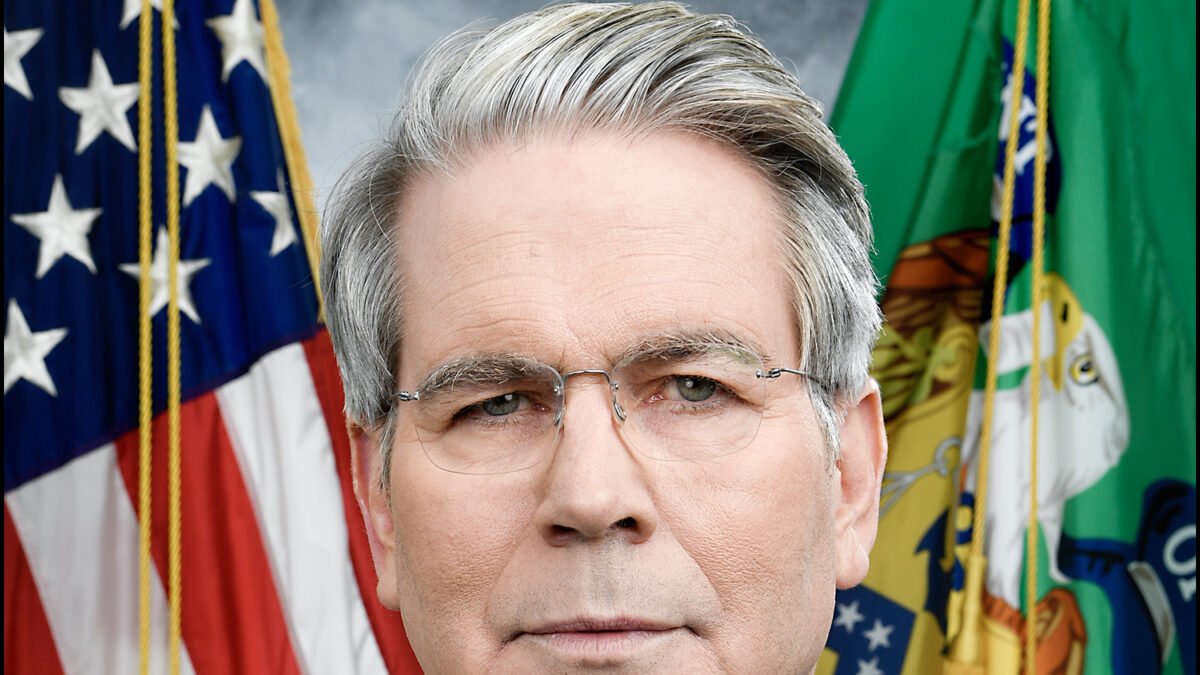
Reuters said FinCEN recorded declining volumes of potentially connected activity from January to August and suggested this could indicate some disruption of the networks. Treasury Secretary Scott Bessent pledged further action against them.
Sources
- Reuters (via Al-Monitor) — media: US imposes sanctions on dozens linked to Iran's shadow banking networks · accessed 2026-11-24
- Middle East Eye — media: US imposes new Iran-related sanctions · accessed 2026-11-24
- Iran International — media: US targets Iran’s shadow banking ‘lifeline’ with new sanctions · accessed 2026-11-24
Spotted an error? Tell us — see our corrections policy.