
Security Council split over Iran sanctions as IAEA seeks nuclear access
A dispute over whether sanctions remain in force has stalled monitoring arrangements, while the IAEA says it lacks information and access needed for verification.
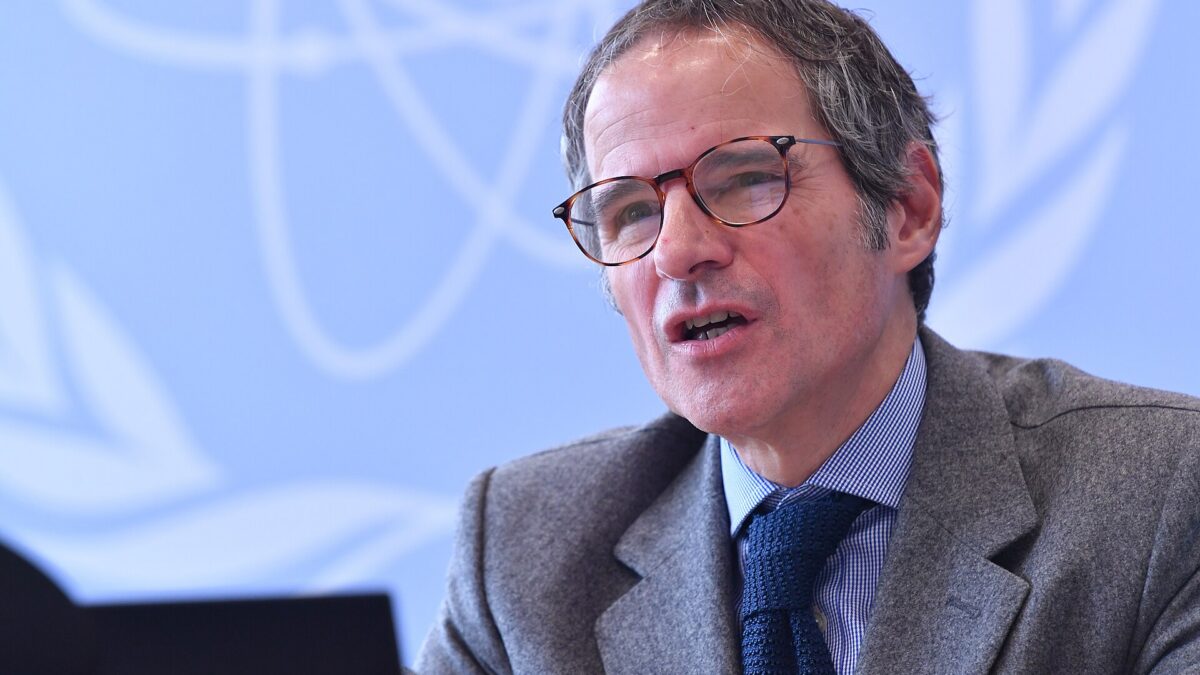
The United Nations Security Council remained divided at its 27 October 2026 meeting over whether sanctions on Iran had returned under the snapback mechanism or had expired, as the International Atomic Energy Agency sought access to verify Iranian nuclear material.
The disagreement has blocked the selection of a chair for the 1737 Committee and the appointment of experts to oversee sanctions implementation, according to the UN's meeting account. The United States said it would work with fellow Council members on an independent multilateral mechanism to track and report on implementation of the sanctions regime.
Even adopting the meeting's agenda required a procedural vote requested by Russia. It passed 11-2, with Russia and China voting against and Somalia and Pakistan abstaining.
The legal dispute centres on competing interpretations of resolution 2231, adopted in 2015. France, Germany and the United Kingdom said in September 2025 that alleged Iranian violations had activated snapback, restoring sanctions and the committee. Russia and China argued that paragraph 8 ended Council consideration of the nuclear issue on 18 October 2025. France, Britain and the United States maintained that the resolution remained operative because Iran had failed to meet its safeguards obligations.
IAEA Director General Rafael Mariano Grossi said Iran had not supplied the information or access necessary to check nuclear material it had previously declared. He said the gaps concerned safeguarded facilities both damaged by military attacks and untouched by them.
Grossi said inspectors had withdrawn on safety grounds when military attacks began in June 2025. Russia's delegate cited subsequent Iranian engagement with the agency, including inspections at unaffected sites. It was unclear whether the two descriptions covered the same periods and scope of access.
Citing a resolution adopted by the IAEA Board of Governors on 9 September 2026, Grossi said Iran could not suspend its safeguards duties unilaterally. He urged Tehran to answer unresolved questions and grant the agency information and access.
Britain's representative said Iran had accumulated over 400 kilograms of uranium at 60 per cent enrichment, alleging that its whereabouts had been unaccounted for for longer than a year.
Iran's delegate rejected the portrayal of the country as an aggressor, describing it instead as a victim of war. The delegate alleged that safeguarded nuclear facilities had suffered 11 attacks and warned that strikes risked releasing radiation.
Sources
- UN Press — meetings coverage and press releases — primary source · accessed 2026-10-28
ArabicNews.com editorial desk. Produced with AI-assisted research tools using documented sources and automated fact checks, then reviewed and approved by a human editor before publication. Editorial policy