
UN Assembly urges support for ICJ independence amid record caseload
The debate paired calls for adequate funding with Arab Group demands for implementation of the Court’s orders concerning Palestine.
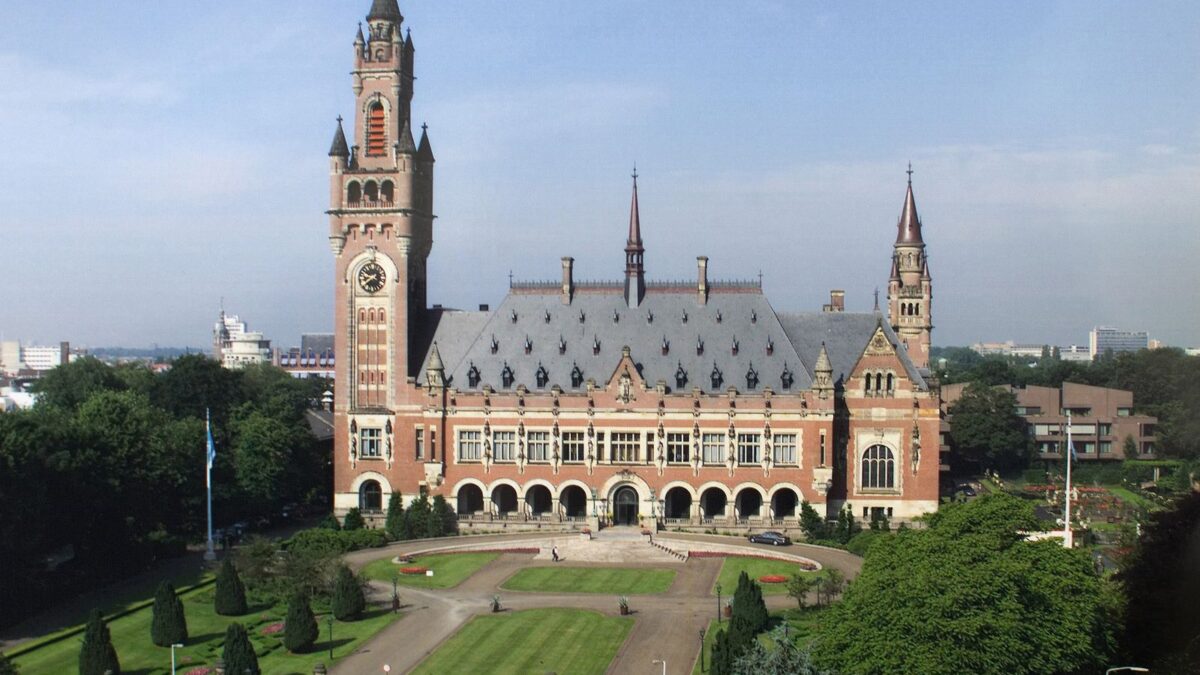
The United Nations General Assembly heard appeals on 30 October to protect the International Court of Justice’s independence, respect its decisions and fund its work adequately, according to UN meeting coverage. The debate came as the Court marked its 80th anniversary with a record number of pending cases.
The Assembly approved resolution A/81/L.9, introducing the Court’s annual report, with 106 votes in favour, eight opposed and 18 abstentions, the UN said. The vote accompanied discussion of both the Court’s growing workload and demands for States to implement its orders.
Court President Iwasawa Yuji reported a record 24 pending contentious cases in his account covering the period since 1 August 2025. He said the Court had heard five cases, delivered a judgment concerning intervention in proceedings between Belize and Honduras, and issued two advisory opinions.
One of those opinions addressed Israel’s international legal obligations concerning the Occupied Palestinian Territory, according to the UN account. During the debate, Libya’s representative, speaking for the Arab Group, demanded an end to what the group described as Israel’s unlawful occupation and full implementation of the Court’s orders.
Uganda, representing the Non-Aligned Movement, separately urged Israel to comply with provisional measures in the case brought by South Africa alleging genocide in Gaza. That call concerned measures in contentious proceedings, distinct from the advisory opinion addressing Israel’s obligations.
Iwasawa also reported that the Court was deliberating on the merits of Gambia v. Myanmar, in which 11 States had intervened, and Nicaragua v. Germany, according to the UN’s account of his presentation.
Alongside his report on judicial activity, Iwasawa appealed for Member States to back the proposed 2027 budget. He said investment in technology was among the resources needed to make the Court’s work more efficient.
The Court also faces work on its premises at the Peace Palace in The Hague. Iwasawa said asbestos discovered there in 2016 was being removed in two phases, with completion expected in early 2027.
UK Justice Secretary Alex Norris also opposed sanctions targeting the International Criminal Court, according to both the UN account and a UK government advance release. That position concerned the ICC, a separate institution from the ICJ.
The UK Foreign, Commonwealth & Development Office said Norris’s UN visit also supported Professor Dapo Akande’s candidacy for the ICJ. The election is scheduled for 3 November, according to the UK release.
Sources
- United Nations — primary source: Underscoring Importance of Independence for International Court of Justice, General Assembly Stresses Need for Adequate Resources, Law Over Power · accessed 2026-10-30
- UK Government — primary source: Lord Chancellor visits United Nations to promote British candidate to UN court · accessed 2026-10-30
ArabicNews.com editorial desk. Produced with AI-assisted research tools using documented sources and automated fact checks, then reviewed and approved by a human editor before publication. Editorial policy