
How the Arab League uses summits, declarations and regional programmes
Summit declarations, diplomatic initiatives and development programmes show how the League of Arab States conducts its regional work.
What do Arab League summits do?
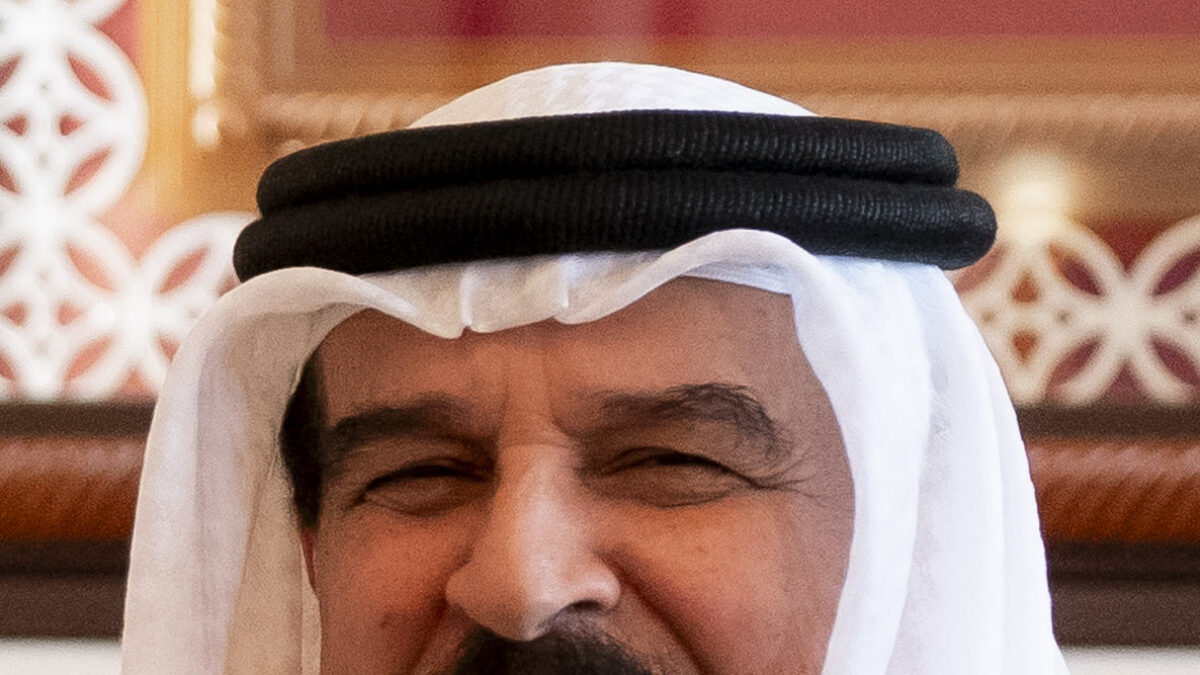
Arab League leaders adopt declarations setting out shared diplomatic positions and regional priorities. In Manama on 16 May 2024, they approved the Bahrain Declaration at the League Council's 33rd ordinary summit, chaired by Bahrain's King Hamad bin Isa Al Khalifa.
Summit diplomacy is one part of the League of Arab States' work. Its activities also include development planning with the UN Economic and Social Commission for Western Asia, known as ESCWA, and cooperation with the United Nations Office on Drugs and Crime, or UNODC.
Who takes part?
Participation extends beyond meetings of national leaders. A League–UNODC committee meeting in Cairo on 24–25 June 2026 brought together national representatives, including those from Egypt, Jordan, Bahrain, Algeria, Saudi Arabia, the State of Palestine, the Syrian Arab Republic and the United Arab Emirates.
How decisions reach the UN
The League's Permanent Observer has described a procedure for forwarding adopted texts to UN bodies: the chair of a summit, ministerial session or the Arab group in New York sends a formal letter or memorandum. Such correspondence cites Article 54 of the UN Charter.
Bahrain followed this route after the Manama summit. Letters dated 20 May 2024 sent its declaration and a separate Gaza statement to the UN Secretary-General and the Security Council president for distribution as UN documents.
2002: the Arab Peace Initiative
A historical FAQ published by NAD dates the Arab Peace Initiative's adoption to the Beirut summit in March 2002, after its introduction by then Saudi Crown Prince Abdullah. The FAQ describes an offer of normal relations with Israel in exchange for withdrawal from territories occupied in the 1967 war, Palestinian statehood and an agreed settlement of the refugee question.
2024: the Bahrain Declaration
The Bahrain Declaration retained the initiative as a reference for a two-state settlement. Leaders supported a Palestinian state based on the 4 June 1967 lines, with East Jerusalem as its capital, alongside Israel.
On Gaza, the declaration demanded a ceasefire that would begin immediately and endure, civilian protection, freedom for hostages and detainees, Israeli military withdrawal and sufficient humanitarian access. Leaders also opposed forcibly displacing Palestinians from Gaza or the West Bank, including East Jerusalem.
2025: a development agenda
According to ESCWA, the Baghdad summit adopted Arab Vision 2045 on 17 May 2025. Developed jointly by ESCWA and the League, it addresses broadly shared economic growth, natural-resource management, education and skills, and emerging technologies. ESCWA proposed an implementation plan for member states to consider in 2025.
2026: programme follow-up
The Cairo meeting illustrates another form of follow-up. Under the League–UNODC framework for 2023–2028, an annual steering committee reviews progress and cooperation priorities. Its remit spans drug issues, organized crime, human trafficking, migrant smuggling, corruption, financial crime, terrorism prevention and criminal justice.
Sources
- United Nations — primary source: Bahrain Declaration and Official statement issued by the League of Arab States- Letter from Bahrain to the UN (A/78/896/Rev.1-S/2024/397/Rev.1) - Question of Palestine · E/2026/20 · The League of Arab States (LAS) and the United Nations Office on Drugs and Crime (UNODC) hold the Third Steering and Follow-up Committee Meeting for the Regional Framework for Arab States (2023 – 2028) | United Nations in Egypt · accessed 2026-10-31
- nad.ps — media: The Arab Peace Initiative, Frequently Ask Questions | NAD · accessed 2026-10-31